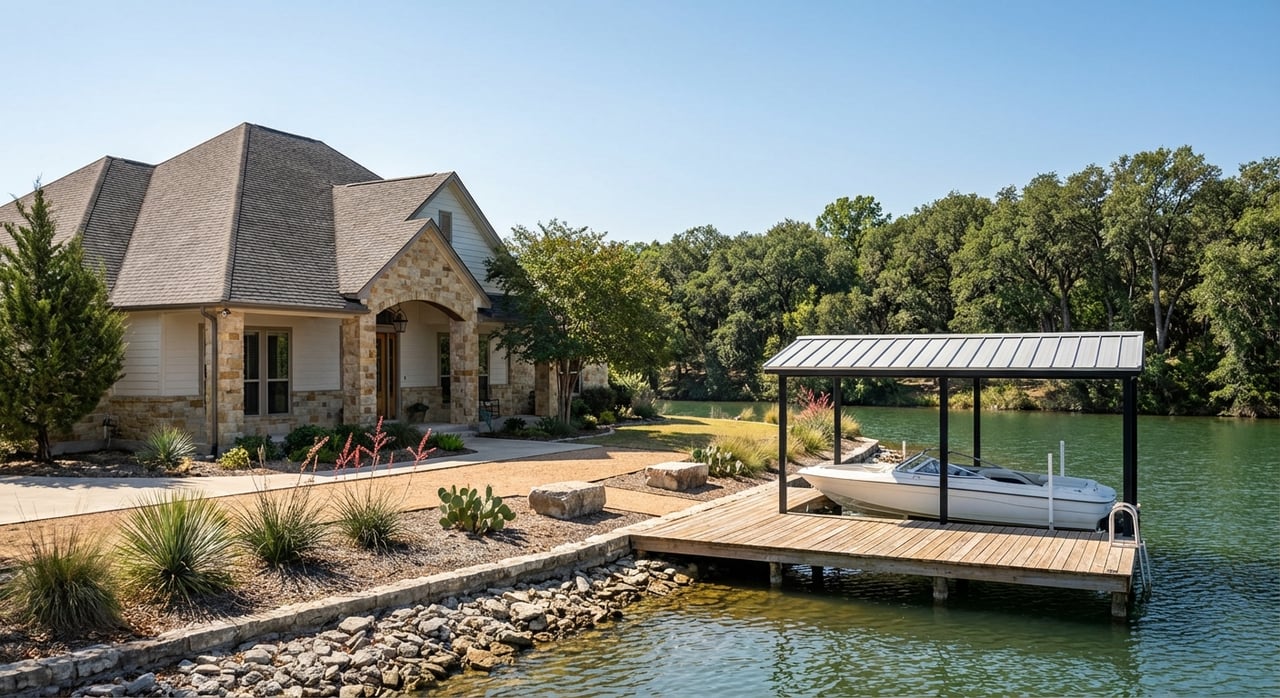
Dreaming of a lake place in Horseshoe Bay but not sure how to finance it? You are not alone. The best loan for a Lake LBJ home depends on how you plan to use it and when. In this guide, you will learn the main financing options, how lenders classify second homes vs rentals, and what local rules in the Hill Country can mean for your budget and timeline. Let’s dive in.
How use drives your loan
Before you compare rates, decide how you will use the property. Lenders price and approve loans based on occupancy. A true second home that you use personally is different from a property you plan to rent often. If you expect frequent rentals, the loan is usually treated as an investment property with different terms.
Lenders follow agency definitions for second homes and investment properties. You can review how second homes are defined in the Fannie Mae Selling Guide on occupancy. Be open about your plans so the loan fits your goals from day one.
Conventional second-home loans
Conventional second-home mortgages work when you plan to occupy the home part of the year and keep rentals limited. Rates are usually a bit higher than primary homes but lower than investment loans. Expect higher down payments and some cash reserves, since second homes carry more lender risk.
Pros:
- Potentially lower rates and down payments than investor loans.
- Straightforward documentation when your income and credit are strong.
Cons:
- Rental limits apply. Heavy short-term rental use can force investor classification.
- Lenders may ask for more reserves and proof of your primary residence.
Jumbo loans for higher price points
Many lakefront homes in Horseshoe Bay exceed conforming loan limits. If your loan amount is above the annual cap, you will use a jumbo loan. Underwriting is tighter, and down payments often start around 20 percent for second homes.
- Check the current limit for your target loan amount using the FHFA conforming loan limits tool.
- Jumbo loans can offer competitive rates, but lenders verify income and assets closely and may require 6 to 12 months of reserves.
Using home equity with a HELOC
If you own a home with equity, a home equity line of credit can fund a down payment or act as a bridge. HELOCs are flexible and can be set up before you shop, which helps you move quickly on a great lake property. Keep in mind that most HELOCs have variable rates.
- Get a primer on how HELOCs work from the CFPB’s HELOC guide.
- Texas has strict home equity rules. The Texas Constitution generally caps homestead equity borrowing at 80 percent combined loan-to-value and sets other requirements. Review Texas Constitution Article XVI, Section 50 and speak with a Texas-licensed lender or attorney.
Pros:
- Fast access to funds and flexible draws.
- Useful for short-term needs, then refinance into a long-term mortgage later.
Cons:
- Variable rate exposure and required payments on the line.
- Texas constitutional limits may restrict how much you can borrow against your homestead.
DSCR and non-QM investor loans
If rental income is central to your plan, a DSCR or other non-QM investor loan may fit. These loans focus on whether projected rent covers the mortgage payment, taxes, and insurance. Down payments are often 20 to 30 percent, and rates run higher than conforming loans.
Pros:
- Qualify based on property cash flow, not just your tax returns.
- Flexible documentation options for self-employed and out-of-market buyers.
Cons:
- Higher rates and fees than conforming loans.
- Program rules vary by lender, and conservative rent assumptions can reduce borrowing power.
Local factors in Horseshoe Bay
Community rules matter. Many properties near Lake LBJ are in HOAs or resort communities with rental restrictions, owner-occupancy rules, and registration requirements. Confirm CCRs and Horseshoe Bay Resort policies early so your financing aligns with allowed use.
Flood and insurance are part of the picture. Some lakefront lots sit in floodplains or near shoreline easements. If a structure is in a Special Flood Hazard Area, lenders will require flood insurance. You can look up maps through the FEMA National Flood Hazard Layer viewer. Wind and hail exposure can also affect premiums, so get quotes before you finalize your numbers.
Texas property taxes are a key carrying cost. Rates vary by county and subdivision, and second homes do not receive primary-residence homestead exemptions. Review prior tax bills on similar properties and plan conservatively for annual increases.
Costs, taxes, and cash flow
Your tax treatment depends on use. If you keep the home as a personal second residence, mortgage interest is generally deductible under the overall mortgage interest rules. See the IRS overview in Publication 936.
If you rent the home, rental income and expenses are reported as a rental activity. The IRS 14-night rule is important. If you rent fewer than 15 days in a year, rental income is not reportable and the property keeps personal residence status. Read the details in Publication 527. A CPA can help you decide the most efficient path for your situation.
Which option fits your timeline
- You will occupy seasonally with minimal rentals: A conventional second-home loan or a jumbo loan fits best, depending on price. Expect moderate reserves and clear second-home occupancy.
- You plan frequent short-term rentals from day one: Consider DSCR or investor financing that qualifies the loan on projected rents and aligns with HOA rules.
- You want to buy fast, then refine your plan: Use a HELOC for the down payment or bridge funds, then refinance to a conventional or jumbo loan once occupancy and documentation are stable under Texas rules.
Buyer checklist for Lake LBJ
- Define use and timeline
- Will you occupy part-time, rent occasionally, or run it as a rental most of the year?
- Confirm HOA and resort rules
- Review CCRs for rental limits, minimum stays, and registration steps.
- Align financing with use
- Ask lenders to quote both second-home and investor options. Compare rates, down payments, and reserve requirements.
- Price insurance early
- Order a flood determination and get quotes for hazard and flood coverage so you know the true monthly cost.
- Plan your sequence
- If you need speed, consider a HELOC for liquidity, then refinance into a long-term loan that matches your occupancy and rental plan.
- Get professional advice
- Speak with a CPA on tax treatment and a Texas real estate attorney on HOA and title matters.
Work with a local guide
Choosing the right structure is easier when your agent understands both lifestyle and income goals. With on-the-ground knowledge of Horseshoe Bay communities and integrated property management, you can assess rental rules, realistic income, and true carrying costs before you commit. If you want a smooth path from offer to keys, connect with a local advisor who can coordinate timelines with your lender and insurance partners.
Ready to explore options and neighborhoods that fit your plan? Schedule a Consultation with Micha Osloond for clear guidance and a personalized next step.
FAQs
Can I rent out a second home with a conventional loan?
- Limited and occasional rentals may be allowed, but frequent or income-first rentals usually require investor financing. Always disclose your rental plans to your lender.
What counts as a second home vs investment in Horseshoe Bay?
- A second home is primarily for your personal use with limited rentals. If you plan regular short-term rentals, lenders typically classify it as an investment property with different pricing and reserves.
Do Texas rules limit HELOCs for a down payment?
- Yes. Texas home equity lending rules generally cap homestead borrowing at 80 percent combined loan-to-value and include specific procedures. Work with a Texas-licensed lender or attorney.
Will I need flood insurance for a Lake LBJ home?
- If the structure is in a FEMA Special Flood Hazard Area, lenders require flood insurance. Check the property location using FEMA’s online flood map tools.
Are DSCR loans more expensive than conventional loans?
- Typically yes. DSCR loans often carry higher rates and down payments, but they can qualify you based on property cash flow when traditional income documentation is a hurdle.