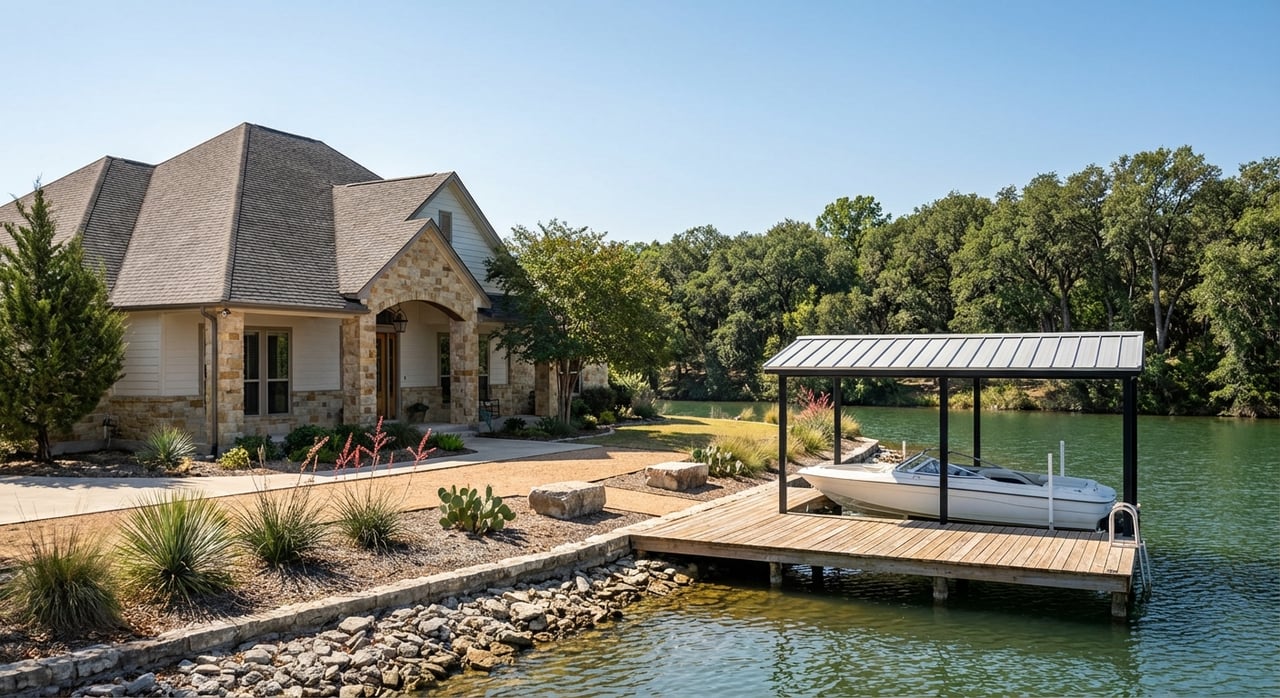
Are you seeing Horseshoe Bay listings sit for weeks and wondering what it means? In a resort-style market anchored by Lake LBJ, golf, and gated amenities, Days on Market can look very different from what you see in traditional suburbs. You want clear signals about price, timing, and value. This guide explains how to read DOM and Cumulative DOM, why they behave the way they do in Horseshoe Bay, and how to use them to make better decisions as a buyer or seller. Let’s dive in.
DOM and CDOM explained
Days on Market, or DOM, is the count of days a property has been publicly listed for sale. It is a time-based measure of exposure. Lower DOM can signal strong demand, correct pricing, or effective marketing. Higher DOM can point to overpricing, condition issues, or a narrow buyer pool. DOM alone does not prove quality or value, so always pair it with price history and comparable sales.
Cumulative Days on Market, or CDOM, aggregates days across multiple listing events. Many MLS systems use CDOM so a listing that is withdrawn and relisted does not appear new. CDOM rules are MLS-specific, so identical listings can show different DOM or CDOM depending on local policy. The takeaway is simple. Verify how your local MLS counts CDOM and always review the full listing history.
Listing statuses also affect DOM visibility. When a property moves from Active to Under Contract or Pending, some public sites stop counting days while others continue to show the original count. Price reductions, seller concessions, and photo updates usually do not reset DOM. Relists may only change DOM if the MLS does not roll days into CDOM.
Why DOM behaves differently in Horseshoe Bay
Horseshoe Bay is a lake and resort lifestyle community. The buyer pool often includes second-home shoppers, retirees and snowbirds, and locals who want golf or lake access. These buyers have different search windows and less urgency than primary-home buyers. That can lengthen DOM for otherwise desirable properties.
Inventory is also unique. Waterfront homes, custom builds, golf-course estates, and condos attract specialized buyers. Many properties are one-of-a-kind, which limits direct comparables and makes DOM less predictive than in tract neighborhoods. Short-term rental demand and HOA rental rules can expand or narrow the audience, which changes how quickly a home sells.
Seasonality plays a role. Resort markets often see spikes when weather is mild or when out-of-area buyers travel. Horseshoe Bay activity can shift with visitor patterns and second-home schedules, not just the spring selling season. A listing that straddles an off-peak period may naturally carry higher DOM without indicating a problem.
Local transaction friction also matters. Second-home financing can take longer, and some buyers prefer to pay cash. Dock permits, boat slips, HOA approvals, and shoreline or septic questions can increase evaluation time. These factors can slow turnover and elevate DOM even when interest is healthy.
How buyers should read DOM in Horseshoe Bay
Use DOM as a screening flag, not a final verdict. You want to uncover the story behind the days and decide whether it points to opportunity or risk.
When DOM is high
- Pull the complete price history to see if initial overpricing kept serious buyers away.
- Investigate why it stayed on the market. Look for condition or repair needs, title or access issues, HOA restrictions, septic or shoreline considerations, or seller terms that are too strict.
- Check CDOM and look for relists. Determine whether the days were reset or aggregated.
- Compare sold prices for similar properties in the same amenity context, such as waterfront versus non-waterfront and within the same neighborhood.
- Consider timing. If the listing overlapped an off-season window, the days may not signal a pricing problem.
When DOM is low
- Be ready to act, but do not skip due diligence. Confirm condition, HOA rules, and any waterfront or boat-related specifics.
- Review list-to-sale patterns and nearby sold comps to guard against paying above market in a fast-moving pocket.
- Prepare your financing and documents. In low DOM segments, pre-approval and clean terms help you compete.
Extra signals to check
- Number and timing of price reductions.
- Days since last open house or promotional push.
- Showing activity, where available.
- Whether marketing is still active with fresh photos, remarks, or virtual tours.
A fast checklist for buyers:
- Verify DOM and CDOM and read the full listing history.
- Compare similar solds in the same amenity category.
- Confirm HOA and waterfront specifics early.
- Calibrate expectations to seasonality and niche property types.
Seller strategies to manage DOM
In Horseshoe Bay, smart pricing and polished marketing are your best tools to control DOM and buyer perception.
Price to match the market
Your initial list price heavily influences DOM. Aligning with local comps usually draws more showings and quicker offers. Overpricing tends to inflate DOM and lead to larger reductions later.
Elevate marketing and presentation
Unique resort properties benefit from high-quality photos, drone views, virtual tours, and clear descriptions of amenities. Show how the home lives, not just the features. Reduce buyer evaluation time with organized disclosures, clear HOA details, and property-specific items like dock rights or shoreline information.
Time the market thoughtfully
List when your most likely buyers are active. In Horseshoe Bay, consider out-of-state travel patterns and local seasonality. If you miss a peak window, plan targeted outreach rather than waiting passively.
Use CDOM rules wisely
Do not rely on withdrawing and relisting to look “new.” Many MLSs aggregate prior exposure into CDOM, and experienced buyers and agents check history. Focus on pricing and presentation instead of cosmetic resets.
Respond early if DOM climbs
If you reach 30 to 60 days without strong activity, review pricing and marketing. Consider coordinated price adjustments, refreshed media, and outreach to second-home and investor audiences. Packaging amenities, such as transferable dock rights or club membership opportunities, can broaden appeal. If rental potential is relevant, present clear operating assumptions and restrictions, based on current HOA or city rules.
What is a good DOM here?
Treat these ranges as general guidance, then calibrate to current Horseshoe Bay norms.
- Under 30 days: signals active demand and market-aligned pricing. In niche resort segments, even well-priced homes can take longer.
- 30 to 90 days: often neutral. Could reflect a limited buyer pool or moderate overpricing. Analyze the price path and recent comparables.
- Over 90 to 180 days or more: investigate pricing, condition, and market niche. Longer exposure can still present value for buyers if the reasons are understood.
In a resort community with specialized inventory and seasonal shoppers, median DOM often runs longer than in urban or typical suburban markets. Anchor your expectations to local data by property type and price band.
Local data to request before deciding
As you evaluate a Horseshoe Bay listing or plan to sell, ask for a focused data brief that includes:
- Median and mean DOM and CDOM for the last 12 months, broken out by property type, price band, and neighborhood.
- Monthly new listings and closed sales to reveal seasonality.
- Months of inventory by property type.
- Average number of price reductions and average percent reduction.
- List-to-sale price ratios for your segment.
- Share of cash versus financed sales.
- A plain-language summary of the local MLS CDOM policy.
With this context, you can set smarter list prices, time your move, and interpret DOM with confidence.
Examples that mirror Horseshoe Bay reality
- Waterfront condo listed in late fall with 120 DOM. The property was priced correctly, but out-of-area buyers were not traveling during the holidays. Activity picked up in the first quarter and the home sold near ask.
- Golf-course single-family home that sold in 45 days. It launched with strong photos, drone flyover, and exact comps. Early pricing accuracy made showings steady and reduced negotiations.
- Custom lakefront estate at a high price point with 180-plus DOM. A narrow buyer pool and HOA rental limits slowed absorption. The seller paired a strategic price improvement with refreshed media and clear amenity details, which helped attract qualified showings.
These patterns are common in resort markets. The key is to validate the “why” behind the days and align your strategy accordingly.
Pitfalls to avoid with DOM
- Treating high DOM as a deal-breaker without checking price history, seasonality, or HOA and shoreline details.
- Ignoring CDOM and relying only on what a public site displays.
- Chasing the market with small, slow price cuts that add days without changing demand.
- Listing at a time your target buyer is not active, then assuming the home is mispriced.
- Overlooking amenity or permit questions that add friction and extend DOM unnecessarily.
Ready for a clearer read on DOM?
If you want a precise read on DOM for your property type and price range in Horseshoe Bay, get a local data brief and a marketing plan that reflects seasonal buyer behavior. You will see where your home fits, what price path makes sense, and how to present it so buyers move with confidence. To start, schedule a quick consultation with Micha Osloond.
FAQs
What does Days on Market indicate in Horseshoe Bay?
- DOM measures how long a property has been publicly listed. In a resort market, higher DOM can reflect seasonality and niche inventory, not just price or condition.
How is Cumulative Days on Market different from DOM?
- CDOM aggregates days across relists so the total exposure is visible. Rules vary by MLS, so verify how the local system counts relisted properties.
Does a high DOM mean a bad deal for buyers?
- Not necessarily. It may signal overpricing or a small buyer pool. Check price history, comparable solds, CDOM, and any HOA, shoreline, or access issues.
Can sellers reset DOM by relisting a home?
- Not always. Many MLSs carry prior days into CDOM. Buyers and agents often review listing history, so focus on pricing, timing, and presentation instead of resets.
How fast should buyers act on a low DOM home?
- Be prepared with financing and clean terms. Move quickly if it fits your goals, but still complete inspections and verify HOA and waterfront details before closing.
When should sellers adjust pricing based on DOM?
- Review strategy around 30 to 60 days if activity is low. Consider a coordinated price improvement, refreshed media, and targeted outreach to active buyer segments.