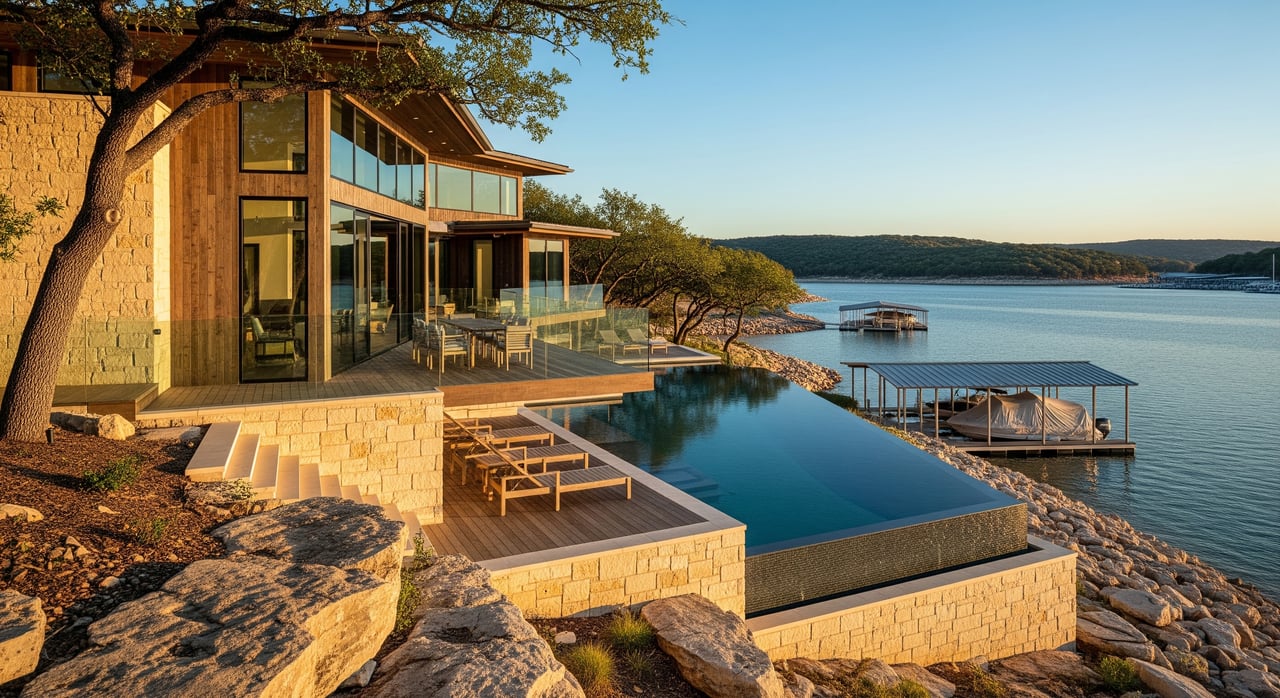
Imagine stepping onto your dock just as the water calms, a coffee in hand and the sunrise warming the Hill Country. By late afternoon, you’re cruising past familiar coves for a sunset boat ride with friends. If you’re curious what life on Lake LBJ in Horseshoe Bay really feels like, you’re in the right place. In this guide, you’ll learn the day-to-day rhythms, seasonal patterns, home types, and the practical details that make lakefront living work. Let’s dive in.
Lake LBJ setting and vibe
Horseshoe Bay sits on Lake LBJ in the Texas Hill Country. The area blends resort amenities with quiet neighborhoods. You’ll find full-time residents, second-home owners, and weekend visitors sharing the same shoreline.
Lake LBJ is part of the Highland Lakes chain on the Colorado River system. It’s known for popular boating and watersports and for having more consistent water levels than some nearby reservoirs. That matters if you plan to use a private dock year-round.
Neighborhoods vary. Some streets feel peaceful during the week and pick up on summer weekends. Others near marinas or public launches will feel more active. If you like a relaxed pace with easy access to the lake, you’ll feel at home here.
Daily rhythms on the water
Boating is central to life on Lake LBJ. Many owners keep a boat on a private dock or at a marina. Mornings are calm and great for fishing, kayaking, or paddleboarding. Late afternoons and early evenings are prime time for cruises and sunset views.
Summer weekends bring families and friends out for tubing, wakeboarding, and waterskiing. Social dock time is common. You’ll see neighbors waving as they pass, dock lights twinkling, and groups grilling on patios by the water.
Fishing is a draw, too. Anglers target species like largemouth bass, stripers, and catfish. You’ll see bank fishing along quieter stretches and anglers heading out at first light.
Beyond the boat: amenities and conveniences
You’ll find golf, fitness, tennis, and club events at resort facilities and local clubs. Pools and organized social groups make it easy to meet people. Off the water, Hill Country drives, birding, hiking, and wildflowers add variety to your weekends.
Dining ranges from resort restaurants and casual cafés to small-town favorites in nearby communities. You can grab groceries and basics locally. For specialty shopping or medical specialists, most people drive to larger Central Texas cities.
Property types and what to expect
You have several ways to live the lake life. Each option supports a slightly different routine and budget.
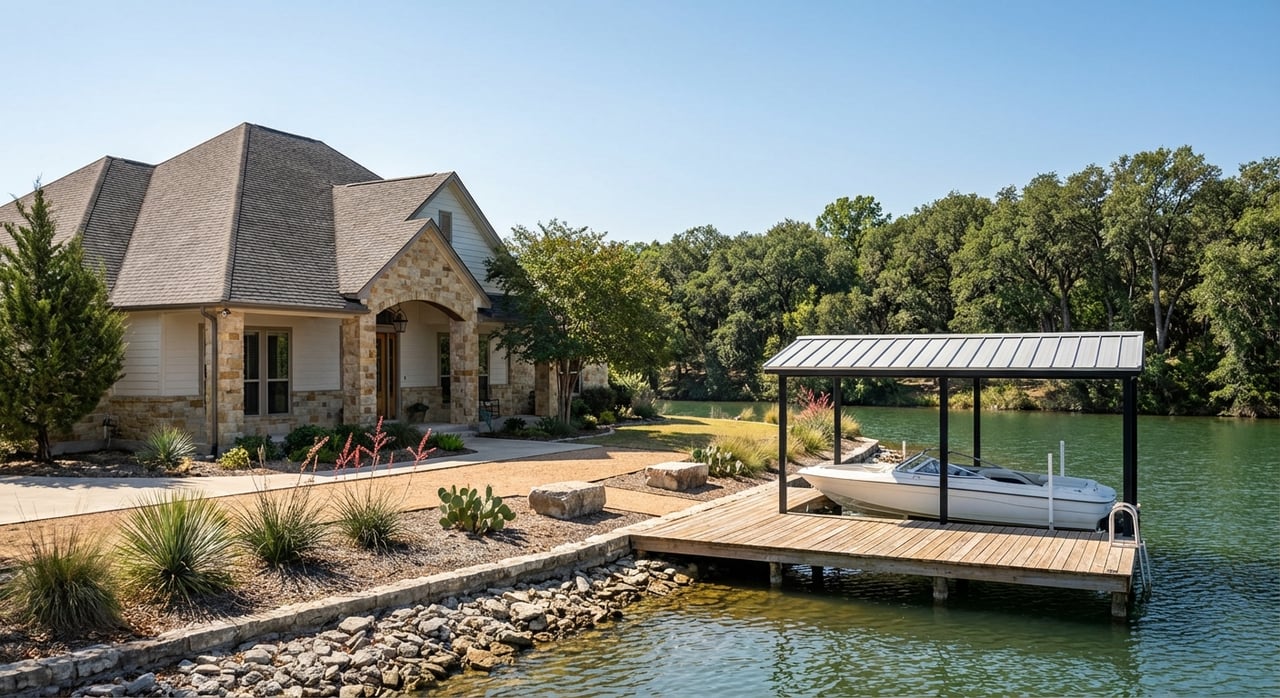
- True lakefront with private dock: Direct water access and private boat storage. These homes deliver the fullest lake lifestyle and are often in highest demand.
- Near-lake or view homes: Elevated lots with views but no private dock. Often quieter and more affordable. Some have community access to the water.
- Resort condos or villas: Lower-maintenance options with shared amenities and marina access. Good for downsizers, second-home buyers, and those who prefer a lock-and-leave setup.
- Estate homes and acreage: Larger lots with privacy, outdoor kitchens, and custom docks. Plenty of space for guest suites and gatherings.
When you compare homes, look beyond bedrooms and square footage. Focus on the outdoor living setup, dock location, water depth, and ease of getting on the water. These details shape your everyday experience.
Docks, marinas, and permits
Private docks are a major part of lakefront value. Size, condition, and permitted uses vary by lot and neighborhood. Some buyers prefer marina slips instead. Marinas offer storage, fueling, service, and convenience, though availability and fees can change and waitlists may exist.
If you plan to build or modify a dock, verify entitlement and rules before you buy. Approvals often involve the city, HOA, or both. Deed restrictions, setbacks, and structure limits may apply. It’s smart to confirm what is already permitted and what future changes would require.
Costs, insurance, and utilities
Lake homes come with unique ownership costs. Be clear about these items early in your search.
- Maintenance: Docks, hoists, seawalls, and shoreline landscaping need regular care. Plan for seasonal upkeep and occasional repairs.
- Insurance: Flood exposure can vary by lot. Even when lenders do not require it, many owners choose flood insurance. Ask for elevation certificates, review FEMA flood maps, and discuss coverage for wind and storm damage.
- Utilities: Some homes are on municipal utilities while others use septic systems. Confirm service boundaries and maintenance needs.
- Taxes and fees: Texas has no state income tax, but property taxes can be significant. If the home is in a resort or HOA, review recurring fees and what they cover.
Seasons, water levels, and crowds
Lake LBJ living changes with the seasons. Late spring through summer is busiest for boating, resort events, and visitors. Spring and fall bring mild weather and calmer water, which many full-time residents love. Winters are generally mild, and many owners still enjoy boating and fishing.
Water levels are managed as part of the Highland Lakes system. Drought or heavy rain can affect docks and ramps. During lower periods, some private docks may need adjustments and marinas may shift policies on slip use. If you plan to boat year-round, discuss these scenarios as you evaluate homes.
On major holidays and summer weekends, expect heavier traffic and wakes near shore. Navigation requires attention in shallow areas and around submerged features. If you want quieter water, look for calm coves or plan for weekday and shoulder-season use.
Quiet vs lively locations
Where you buy shapes what you hear and see from your patio. Homes near marinas, public launch points, or main channels feel more active, especially on weekends. Tucked-away coves and shoreline pockets stay calmer and more private.
Think about how you plan to use your dock. If you host often, easy guest access and parking matter. If you want morning paddle sessions, pay attention to wind and wake patterns. Simple site details make a big difference.
Buyer checklist for Horseshoe Bay lake homes
Use this quick checklist as you tour properties and review disclosures.
- Water access: Is the lot truly waterfront, or near-lake with a view? What is the path to launch or swim? If not waterfront, where is the nearest marina or community access?
- Dock entitlement: Is there an existing permitted dock? Can you expand or build new? Which approvals are required and are there easements?
- Marina options: What are the closest marinas and slip types? Are there fees or waitlists? What are guest slip policies?
- Flood risk and insurance: What FEMA flood zone applies? Are elevation certificates available? What is the recent flood history?
- Utilities and wastewater: Municipal sewer or septic? Who provides water? Any known easements or service limits?
- HOA and resort fees: What do dues cover? Are there rules about boat size, parking, or short-term rentals?
- Taxes and affordability: Review current tax bills and any planned assessments.
- Maintenance planning: Dock, hoist, seawall, erosion control, and landscaping. What recent work has been done?
- Noise and privacy: How busy is the area on summer weekends? What are the typical wake patterns? How close are neighboring docks?
- Commute and services: Confirm drive times to your most-used destinations and healthcare.
Is lakefront living a fit for you
If you want easy water access, social dock life, and a scenic Hill Country setting, Horseshoe Bay can be a great match. You’ll enjoy a mix of resort amenities and neighborhood calm. If you prefer quiet first, look for protected coves or near-lake properties with views.
If rental income is part of your plan, check neighborhood and HOA rules before you buy. Some areas allow short-term rentals while others restrict them. Clear rules and reliable data help you set realistic expectations.
When you’re ready to explore homes, bring your questions about docks, flood zones, utilities, and fees. A little upfront clarity goes a long way toward a smooth move-in and a stress-free first summer on the water.
Ready to explore lakefront and near-lake options with local, concierge-level guidance and property management insight? Connect with Micha Osloond to line up tours, verify dock and HOA details, and build a plan that fits your lifestyle.
FAQs
What is daily life like on Lake LBJ in Horseshoe Bay
- Expect calm weekday mornings for fishing or paddling, lively summer weekends for boating and social dock time, and resort amenities nearby for golf, fitness, and dining.
How consistent are Lake LBJ water levels for dock use
- Lake LBJ is known for more consistent levels than some nearby reservoirs, but drought or heavy rain can still affect docks, ramps, and marina policies, so plan for adjustments.
What kinds of homes work best for the lake lifestyle
- True lakefront with a private dock offers the most access, near-lake view homes trade direct water for quieter settings, and resort condos provide lower-maintenance living with amenities.
What costs should I budget beyond the mortgage on a lake home
- Plan for dock and seawall maintenance, insurance that may include flood and wind coverage, property taxes, and any HOA or resort fees that support amenities and common areas.
Do I need permission to build or modify a dock in Horseshoe Bay
- Yes. Dock entitlement and changes often require city and HOA approvals, with rules on size, setbacks, and structure type. Verify before you assume a new dock is allowed.
When is the busiest time on the water in Horseshoe Bay
- Late spring through summer is peak season, with more boat traffic on weekends and holidays. Spring and fall offer milder weather and calmer conditions for many residents.