Thinking about trading Austin’s pace for Marble Falls’ Hill Country calm? You are not alone. Many buyers choose Burnet County for more space, lake access, and a slower rhythm while staying connected to the Austin area for work and amenities. In this guide, you will learn what to expect for commutes, property types and costs, remote-friendly buying options, and the step-by-step timeline to make your move smooth. Let’s dive in.
What to expect in Marble Falls
Marble Falls sits in Burnet County in the Texas Hill Country along the Highland Lakes. The area draws a mix of full-time residents, second-home owners, and commuters who want larger lots and outdoor access. It is commonly considered exurban to Austin, which means you will trade some drive time for space and lake lifestyle.
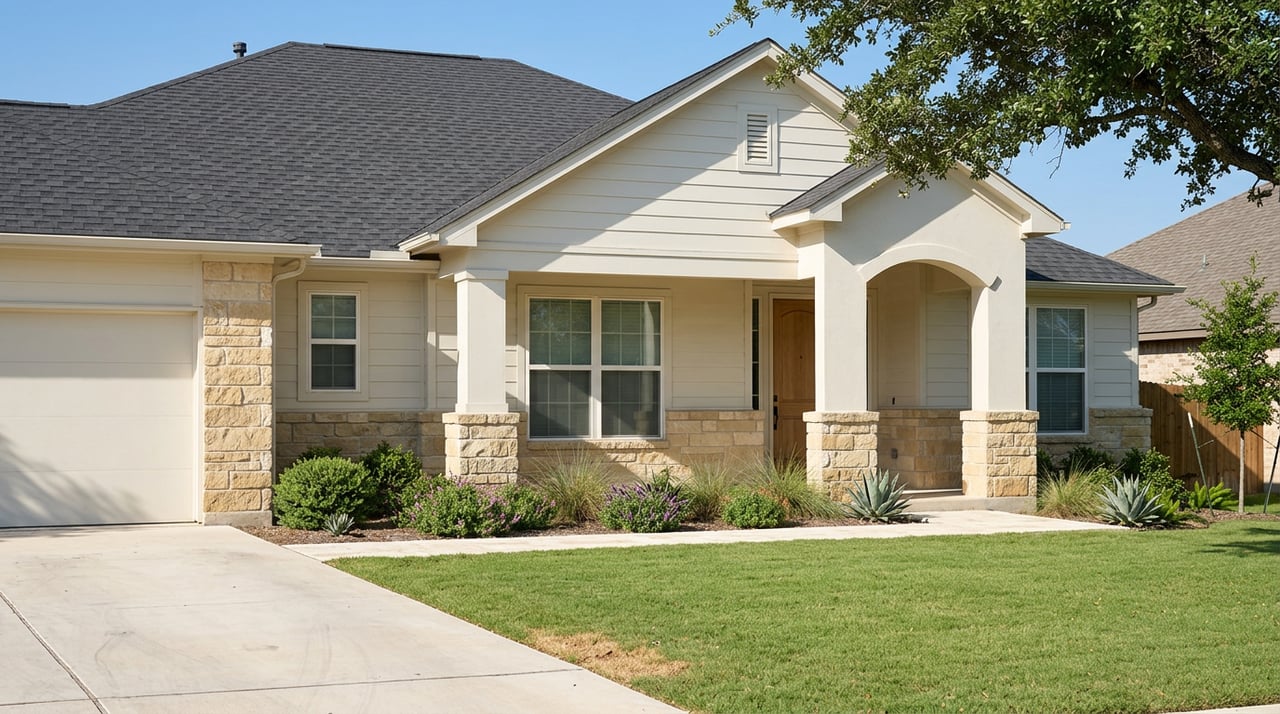
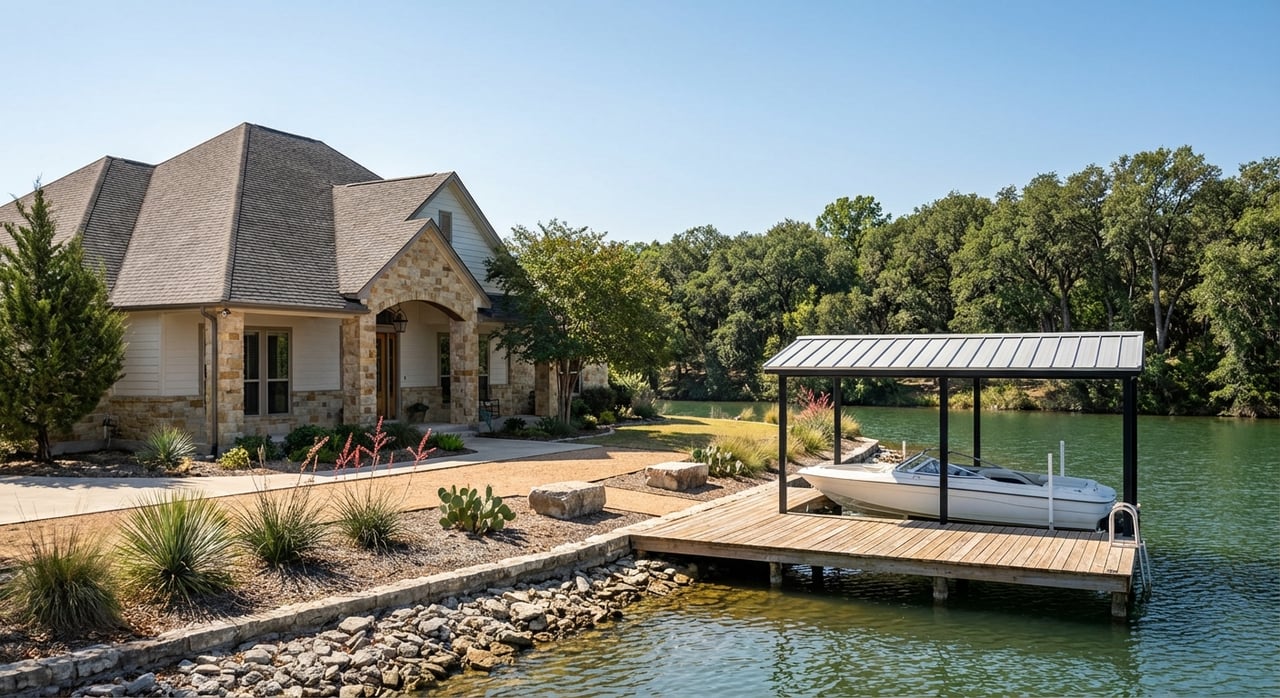
You will find a range of homes, from lakeside condos and waterfront properties on Lake Marble Falls and Lake LBJ to single-family homes on larger lots, rural acreage, and new neighborhoods with community amenities. Because Austin buyers have expanded outward, inventory can tighten quickly. If you are aiming for a specific location or lake feature, a clear plan helps you move fast when the right home hits the market.
Commute, routes, and connectivity
Drive times and patterns
Driving is the primary way people travel between Marble Falls and Austin. Typical drive times to central Austin can range from about 45 minutes to more than 90 minutes depending on your exact start and end points, time of day, and route. Traffic, events, and construction will affect your timing. For your short list of homes, test routes during your target commute hours and monitor TxDOT traveler information for construction alerts.
Primary routes to Austin
Main corridors connect Marble Falls and Burnet County to northwest Austin and the suburbs. Many residents use combinations of state and U.S. routes, plus regional roads, to reach Cedar Park, Leander, or the Loop 1 corridor. Some drivers use toll roads where available to save time. Always verify current traffic patterns and closures with TxDOT or live map tools before you commit to a commute plan.
Transit and hybrid commuting
There is no direct commuter rail from Marble Falls to central Austin, and regional public transit is limited in exurban Burnet County. You can consider hybrid strategies like flexible work hours, split work-from-home schedules, or park-and-ride options closer to Austin’s suburbs. Check CapMetro for current service areas and any future changes.
Internet and cell coverage
Broadband availability varies by neighborhood and acreage. Some rural properties rely on fixed wireless, while fiber is expanding along certain corridors. Others still use DSL or satellite. Before you buy, check the specific address with local ISPs and cellular carriers and verify line-of-sight for wireless service where relevant.
Housing types and costs in Burnet County
Common property types
- Lakefront and lakeside homes or condos on Lake Marble Falls and Lake LBJ.
- Hill Country single-family homes on larger lots, often 0.5 acres or more.
- Rural acreage and small ranches that may qualify for ag-exempt status.
- New subdivisions and planned communities with shared amenities.
- 55-plus and low-maintenance communities in select areas.
- Older cottages and renovated homes near the city core.
Ownership cost basics
Texas has no state income tax, so local property taxes are a meaningful part of homeownership costs. Your monthly and annual budget will include:
- Mortgage principal and interest based on purchase price, down payment, and current rates.
- Property taxes set by school district, city, county, and special districts. To estimate your tax bill and review parcel history, search the Burnet County Appraisal District. If the home will be your primary residence, review homestead exemption eligibility with the Texas Comptroller.
- Homeowner’s insurance. In our area, wind and hail can be relevant. If the property is near a lake or in a designated flood zone, consider separate flood insurance. Use the FEMA Flood Map Service Center to check a property’s floodplain status.
- Utilities and services. In-city homes typically have municipal water and sewer, while rural properties often have private wells and septic systems. Confirm the utility provider and service type for each address. The City of Marble Falls provides information on municipal utilities at the city website. For electricity, parts of Burnet County are served by Pedernales Electric Cooperative. Confirm trash and internet options during due diligence.
- Maintenance. Larger lots and acreage bring added upkeep such as fencing, septic pumping, well maintenance, and tree management. Waterfront homes can have higher insurance and maintenance needs.
Due diligence in Texas
Title, survey, and disclosures
Texas uses seller disclosures, and title commitments and surveys are standard parts of the process. For rural and exurban properties, review easements, well and septic records, floodplain status, any agricultural exemptions, and whether mineral rights are reserved. If you are purchasing remotely, ask your title company to share commitments, exceptions, and surveys early through secure portals.
Insurance and risk checks
- Flood: If a home is in a FEMA-designated floodplain, your lender will likely require flood insurance. Some buyers choose coverage even outside mapped zones for added protection.
- Wind and hail: Premiums vary based on construction type, location, and tree cover. A local independent insurance agent who knows Burnet County can help you weigh options and costs.
A step-by-step relocation timeline
3+ months before your move
- Get preapproved, not just prequalified, so you can move quickly on a strong listing.
- Share your needs clearly: commute tolerance, school district boundaries, acreage versus in-city lot, and lake access preferences.
- Start your search with saved MLS filters and request 3D tours, narrated video walkthroughs, floor plans, and neighborhood drive-through videos.
6 to 8 weeks before
- Narrow to top homes and schedule a single-day in-person tour, or book live virtual tours via video.
- Refresh your preapproval for the property types you like. Rural acreage may require different loan products.
- For acreage, begin a feasibility review for septic, well, access, and any restrictions.
3 to 4 weeks before offer and closing
- Submit your offer with clear contingencies for inspections, survey, title, and appraisal.
- If you cannot attend inspections, arrange live video walkthroughs with your inspectors and request detailed reports and photos.
- Set up an earnest money deposit process that supports secure wire transfers or third-party escrow.
Option period and inspections
In Texas, you will negotiate an option period for inspections. The length varies by market conditions. During this window:
- Order a new survey if there is not a current one.
- Schedule septic, well, roof, HVAC, and foundation inspections as needed.
- Confirm utility connections and any required upgrades.
- For remote buyers, require written reports and real-time video to review any concerns.
1 to 2 weeks before closing
- Title and signing: Many Texas title companies support remote-friendly closings. Texas allows Remote Online Notarization, subject to title and lender policies. Review guidance from the Texas Secretary of State and speak with your title team.
- Alternatives include mail-away or using a local notary with courier return. The Texas Land Title Association also publishes eClosing resources.
- Insurance and utilities: Bind homeowner’s and flood policies for the effective closing date. Set up transfers for water, electric, and internet. Request meter reads if required.
- Movers and access: Book movers and confirm key or lockbox arrangements if your closing is remote.
Closing day and move-in
- Always verify wire instructions by calling the title company using a trusted phone number. Do not rely only on email.
- Confirm the deed recording timeline and request digital copies of final documents.
- On rural properties, inspect the septic and well area and confirm all utilities are active on arrival.
Remote-friendly touring and closing
You can tour and close with minimal travel when you plan ahead. Ask for:
- 3D virtual tours, live agent-led video walkthroughs, and drone footage for acreage or lake frontage.
- Neighborhood drive-through videos and virtual community tours.
- Video-enabled inspections and contractor estimates before closing.
- Remote online notarization when your lender and title company allow it, or a simple mail-away signing.
- A clear wire-verification protocol and possession plan so keys are handed off smoothly.
Local services and lifestyle
Schools and education
Most Marble Falls addresses are served by Marble Falls ISD, though some Burnet County properties fall into Burnet ISD or other nearby districts. School assignments are address-based. For accountability ratings and performance data, consult the Texas Education Agency and confirm attendance zones directly with the district.
Healthcare and emergency services
The Marble Falls area offers local clinics and emergency services, and Austin’s larger medical centers are reachable by car. If you are considering rural acreage, ask about ambulance response times and the location of the nearest emergency facility as part of your due diligence.
Outdoors, lakes, and everyday conveniences
This is Highland Lakes country. You can enjoy boating, fishing, and water sports on Lake Marble Falls and Lake LBJ, hike local trails, and visit nearby state parks. Downtown Marble Falls offers restaurants, shops, and seasonal events. For larger retail and entertainment, many residents head to Austin’s northwest suburbs.
Quick checklists
Before you house-hunt
- Get preapproved and define commute tolerance and daily needs.
- Identify preferred school districts and confirm attendance zones by address.
- Check broadband options for each short-listed property.
When touring remotely
- Request live walkthroughs, a neighborhood drive-through video, and drone footage for acreage or waterfront.
- Ask for a current survey or arrange a new one early.
During due diligence
- Order septic and well inspections if applicable.
- Review the title commitment and survey in detail.
- Check FEMA flood maps and order contractor bids for any repairs.
For a remote closing
- Confirm Remote Online Notarization availability with your title company and lender.
- Establish wire-verification steps and who will manage keys.
- Set utility transfers and insurance binders for the possession date.
Ready to make the move?
Relocating from Austin to Marble Falls can be simple when you have a clear plan and a local guide who understands lake properties, rural utilities, and remote closings. If you want a concierge experience with video tours, neighborhood insights, and integrated property management options for second homes, let’s talk. Schedule a Consultation with Micha Osloond to map your move and get tailored listings in the Highland Lakes.
FAQs
How long is the commute from Marble Falls to Austin?
- Plan for roughly 45 to 90+ minutes depending on origin, destination, traffic, and route; test your drive during commute hours and monitor TxDOT for construction.
How do property taxes work in Burnet County?
- Texas relies on local property taxes set by multiple entities; review parcel history with the Burnet County Appraisal District and explore homestead exemptions via the Texas Comptroller.
Can I buy and close remotely in Texas?
- Yes in many cases; Texas allows Remote Online Notarization, and many title companies support eSign or mail-away options—confirm with your lender and title team and follow wire-fraud precautions.
Do I need flood insurance near Lake LBJ or Lake Marble Falls?
- Your lender decides based on FEMA maps; check the property’s status at the FEMA Flood Map Service Center and get quotes to assess risk and cost.
What utilities should I confirm for rural acreage in Burnet County?
- Verify water source (well vs. city), septic system, electric provider such as Pedernales Electric Cooperative, internet options, and any service easements or required upgrades with the seller and local agencies.